
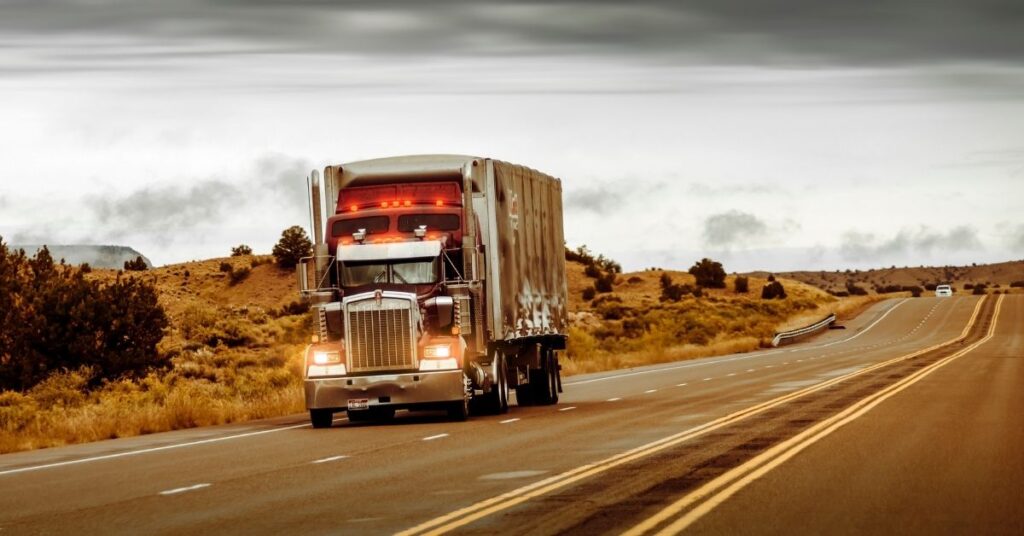
Among the most catastrophic accidents on California highways are truck underride collisions—crashes where a smaller vehicle slides underneath a tractor-trailer during impact. These violent wrecks often shear off the top of the passenger vehicle, causing devastating or fatal injuries.
Although underride crashes are rare compared to other truck collisions, they are among the deadliest, and most experts agree that many are preventable. Understanding what causes these crashes, how underride guards are regulated, and who can be held responsible is key for victims and their families seeking justice.
What Is an Underride Truck Crash?
An underride crash occurs when a passenger vehicle collides with the rear or side of a large commercial truck and becomes wedged beneath the trailer. There are two main types:
- Rear underride: The smaller vehicle strikes the back of a semi-trailer.
- Side underride: The smaller vehicle slides under the side of a turning or crossing trailer, often at night or in low visibility.
Because the point of impact is above the car’s crumple zones, safety features like airbags and seatbelts can do little to protect occupants.
The Reality in California of Underride Truck Crashes
California’s interstates and ports see some of the heaviest truck traffic in the United States. According to the Federal Motor Carrier Safety Administration (FMCSA), more than 4,000 people die each year nationwide in large-truck crashes, and a significant share of those deaths involve underride impacts.
Busy freight corridors—Interstates 5, 10, and 99, along with routes to the Ports of Los Angeles, Long Beach, and Oakland—create constant interaction between passenger cars and long-haul trucks. Tight delivery schedules, poor lighting, and congestion raise the risk of underride incidents, particularly at night.
Why Underride Collisions Happen
Several common factors contribute to these devastating crashes:
- Lack of rear or side underride guards or guards that fail on impact.
- Poor visibility—trailers without reflective tape or lighting.
- Unsafe lane changes or sudden stops by trucks.
- Speeding or tailgating by passenger vehicles.
- Improper truck maintenance or defective equipment.
While drivers of smaller cars may share some fault for following too closely, federal regulators have long recognized that better trailer design could prevent many deaths.
Federal Regulations and Safety Gaps
The National Highway Traffic Safety Administration (NHTSA) requires most new trailers to have rear underride guards, but these standards haven’t been updated in decades. Many guards fail even in low-speed crashes.
There are no federal requirements for side underride guards, despite research showing that properly installed guards could save hundreds of lives annually. Several advocacy groups and lawmakers continue to push for stronger federal mandates.
California allows trucks to operate with federally compliant equipment, meaning many trailers on state roads still lack adequate protection.
How Liability Is Determined
When an underride crash occurs, determining fault often involves multiple parties:
- Truck Driver – May be negligent for unsafe driving, abrupt stops, or failing to use hazard lights when pulled over.
- Trucking Company – Can be liable for poor training, overworked drivers, lack of maintenance, or failure to install adequate guards.
- Trailer or Guard Manufacturer – May be responsible for defective designs or materials that fail in foreseeable collisions.
- Cargo Shipper or Loader – Improperly balanced loads can alter braking and contribute to severe impacts.
- Government Entities – Dangerous roadway conditions or poor lighting may contribute, creating limited but important liability.
Each defendant’s share of responsibility is evaluated under California’s comparative negligence system. Even if the victim’s driver shares some fault, recovery is still possible for the percentage of fault assigned to others.
Evidence That Strengthens a Truck Underride Crash Case
These cases require thorough investigation by attorneys and experts familiar with commercial trucking and accident reconstruction. Key evidence may include:
- Crash-scene photographs documenting vehicle placement and trailer markings.
- Police and CHP reports describing lighting, weather, and witness observations.
- Truck maintenance and inspection logs.
- Electronic logging device (ELD) data showing driver hours and braking activity.
- Manufacturer specifications for the trailer and underride guard.
- Expert analysis of impact angles, guard strength, and compliance with federal standards.
Collecting this evidence quickly is crucial. Trucking companies and insurers often deploy rapid-response teams to secure the crash scene and limit liability.
Common Injuries in Truck Underride Crashes
Because of the extreme mechanics of underride crashes, injuries are often catastrophic:
- Traumatic brain injuries (TBI)
- Spinal cord injuries and paralysis
- Crush injuries and amputations
- Severe lacerations and fractures
- Internal bleeding or organ damage
- Fatal blunt-force trauma
Survivors frequently face lifelong disability, while families of deceased victims must navigate grief alongside complex legal and financial challenges.
Damages Available in Truck Underride Accidents
Victims or their families can pursue compensation for:
- Medical costs (emergency care, surgeries, rehabilitation)
- Lost wages and reduced earning capacity
- Pain, suffering, and emotional distress
- Funeral and burial expenses (for wrongful-death cases)
- Loss of companionship and support
- Punitive damages in cases of reckless disregard or regulatory violations
In wrongful-death cases, eligible family members—typically spouses, domestic partners, children, or dependents—can file claims under California Code of Civil Procedure § 377.60.
Preventable Design Failures Causing Truck Underride Crashes
A growing number of experts and engineers argue that underride crashes are not inevitable—they are design failures. Studies by the Insurance Institute for Highway Safety (IIHS) have shown that stronger guards can prevent passenger-vehicle intrusion even at moderate speeds.
Simple measures like reflective tape, rear lighting, and reinforced side guards dramatically improve visibility and safety. Unfortunately, many trucking companies resist retrofitting because of cost concerns, despite the life-saving potential.
Frequently Asked Questions
How common are underride crashes?
The exact number is uncertain because underride impacts are often underreported, but national estimates suggest hundreds of deaths each year. In California, dense freight traffic makes these collisions a recurring hazard.
Are trucking companies required to install side guards?
Not currently. Federal law mandates rear guards but only recommends side protection. However, some cities (like New York and Boston) require side guards on municipal fleets, demonstrating that stronger safety standards are feasible.
What if the trailer’s underride guard failed?
If the guard was defectively designed, manufactured, or installed, the trailer or parts manufacturer may be liable under product-liability law. These claims often require expert engineering testimony.
Can multiple parties share liability?
Yes. Truck drivers, carriers, maintenance contractors, and manufacturers can all be jointly liable. California’s comparative-fault system ensures damages are apportioned according to each party’s responsibility.
How long do I have to file a claim?
Most personal-injury claims must be filed within two years of the crash. Wrongful-death claims follow the same deadline. If a government entity contributed to unsafe conditions, a government claim must be filed within six months.
What if the victim’s vehicle struck the truck from behind?
Rear-end collisions typically suggest the following driver is at fault—but in underride cases, that assumption may be wrong. If the truck stopped suddenly without lights, lacked reflective tape, or had a defective guard, the trucking company may still bear primary responsibility.
How These Cases Drive Change
Each underride lawsuit helps shine light on a preventable safety issue. Victims and families who pursue claims not only seek compensation but also push the trucking industry toward safer practices—stronger guards, better maintenance, and improved visibility.
Accountability saves lives. The more companies are held responsible for ignoring safety standards, the fewer families will suffer the irreversible consequences of underride crashes on California roads.