
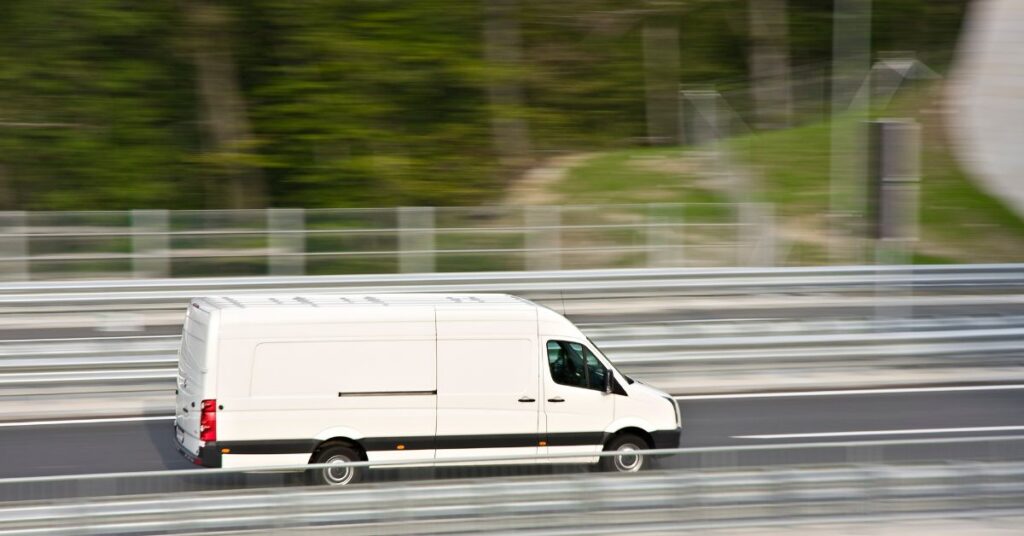
Commercial vehicle accidents are often far more complex than standard car crashes. When a large truck, delivery van, or company vehicle is involved, liability may extend beyond just the driver.
Understanding who may be responsible is critical because it can significantly impact the compensation available in your case. Hiring the right lawyer can influence your ability to navigate this process and protect your right to legal compensation. If someone else hurt you in a commercial vehicle accident, talk to our firm now for more assistance.
What Makes Commercial Vehicle Accidents Different?
Unlike typical car accidents, commercial vehicle cases often involve:
- Multiple parties
- Corporate insurance policies
- Federal and state regulations
- Higher potential damages
In addition to these factors, commercial drivers and companies are often subject to strict oversight from agencies such as the Federal Motor Carrier Safety Administration (FMCSA). These regulations govern everything from how long a driver can be on the road to how vehicles must be maintained.
When violations of these rules occur, they can play a critical role in establishing negligence. For example, a driver who exceeds legal driving hours or a company that fails to enforce rest breaks may be held accountable if fatigue contributes to a crash.
Because of this, determining liability requires a deeper investigation, often involving accident reconstruction experts, industry specialists, and a careful review of company records.
Potentially Liable Parties in a Commercial Vehicle Accident
1. The Driver
The commercial driver may be held liable if they were negligent, such as:
- Speeding or reckless driving
- Driving under the influence
- Distracted driving (texting, GPS use)
- Fatigue or violating hours-of-service regulations
In many cases, driver error is the immediate cause of the accident. However, it is important to look beyond the surface. A driver may have been pressured by their employer to meet unrealistic deadlines or may not have received proper training, which shifts part of the responsibility elsewhere.
Even though the driver is the most obvious party, they are rarely the only one responsible.
2. The Employer (Trucking or Commercial Company)
In many cases, the company that employs the driver can also be held liable under a legal concept called vicarious liability.
This applies when:
- The driver was acting within the scope of their job
- The company failed to properly train or supervise the driver
- The company encouraged unsafe practices (tight deadlines, unrealistic schedules)
Beyond vicarious liability, companies may also be directly negligent. For example, a business that hires a driver with a known history of safety violations or fails to conduct background checks could be held independently responsible.
This is often the most important party in a claim because companies typically carry larger insurance policies, which can significantly increase the compensation available to victims.
3. The Vehicle Owner
Sometimes, the company that owns the vehicle is different from the driver’s employer.
For example:
- Leased trucks
- Third-party fleet ownership
These arrangements are common in the commercial transportation industry and can complicate liability. If the vehicle owner failed to properly maintain the vehicle or knowingly allowed unsafe use, they may share responsibility for the accident.
4. Maintenance or Repair Companies
Commercial vehicles require regular inspections and maintenance to remain safe on the road.
A third-party maintenance provider may be liable if:
- Faulty repairs contributed to the accident
- Required inspections were skipped or done improperly
- Mechanical issues (brakes, tires, steering) were ignored
In some cases, maintenance records reveal patterns of neglect or cost-cutting measures that directly contributed to dangerous conditions. These details can be critical in building a strong personal injury claim.
5. Manufacturers of Defective Parts
If a defective part caused or contributed to the crash, the manufacturer could be held responsible after a commercial vehicle accident.
Common examples include:
- Brake failures
- Tire blowouts
- Steering system defects
These cases often fall under product liability law and may involve complex litigation against large manufacturers. Expert testimony is often required to demonstrate how a defect contributed to the accident.
6. Cargo Loaders or Shipping Companies
Improperly loaded cargo can make a vehicle unstable or dangerous.
Liability may apply if:
- Cargo was overloaded
- Weight was unevenly distributed
- Cargo was not properly secured
Improper loading can increase stopping distances, reduce vehicle control, and significantly raise the risk of rollovers or jackknife accidents. In these situations, the company responsible for loading the cargo may be partially or fully liable.
Additional Factors That Can Affect Liability
Beyond identifying the parties involved, several additional factors can influence how liability is determined in a commercial vehicle accident.
For example, evidence such as electronic logging devices (ELDs), dashcam footage, GPS tracking data, and maintenance logs can provide critical insight into what happened leading up to the crash. These records may reveal violations of safety regulations or inconsistencies in the driver’s account of events.
Additionally, insurance companies representing commercial entities often conduct their own investigations immediately after an accident. Their goal is to minimize liability, which can make it even more important for injured victims to have their own legal representation advocating on their behalf.
Why Identifying All Liable Parties Matters in Commercial Vehicle Accidents
In commercial vehicle cases, liability is not just about assigning blame, it’s about maximizing your recovery.
Multiple liable parties can mean:
- Access to multiple insurance policies
- Higher total compensation
- Greater ability to cover long-term medical care and losses
In serious injury cases, a single insurance policy may not be enough to fully compensate a victim for medical expenses, lost income, and future care needs. Identifying all responsible parties helps ensure that no potential source of compensation is overlooked.
However, these cases are also more aggressively defended by insurance companies and corporate legal teams, which is why a thorough and strategic approach is essential.
What to Do After a Commercial Vehicle Accident
If you’ve been involved in an accident with a commercial vehicle, taking the right steps early can make a major difference:
- Seek medical attention immediately
- Document the scene and vehicle details
- Avoid speaking with insurance adjusters without legal guidance
- Contact an experienced personal injury attorney
It is also important to act quickly. Evidence in these cases, such as driver logs, maintenance records, and company policies, can disappear or be altered if not preserved promptly. An attorney can send legal notices to ensure this evidence is retained.
Speak With a California Personal Injury Attorney
Commercial vehicle accident claims can be complex, but you don’t have to navigate them alone.
An experienced personal injury attorney can:
- Identify all liable parties
- Preserve critical evidence
- Handle negotiations with insurance companies
- Pursue full compensation on your behalf
If you or a loved one has been injured in a commercial vehicle accident, contact Vititoe Law Group today for a consultation.