
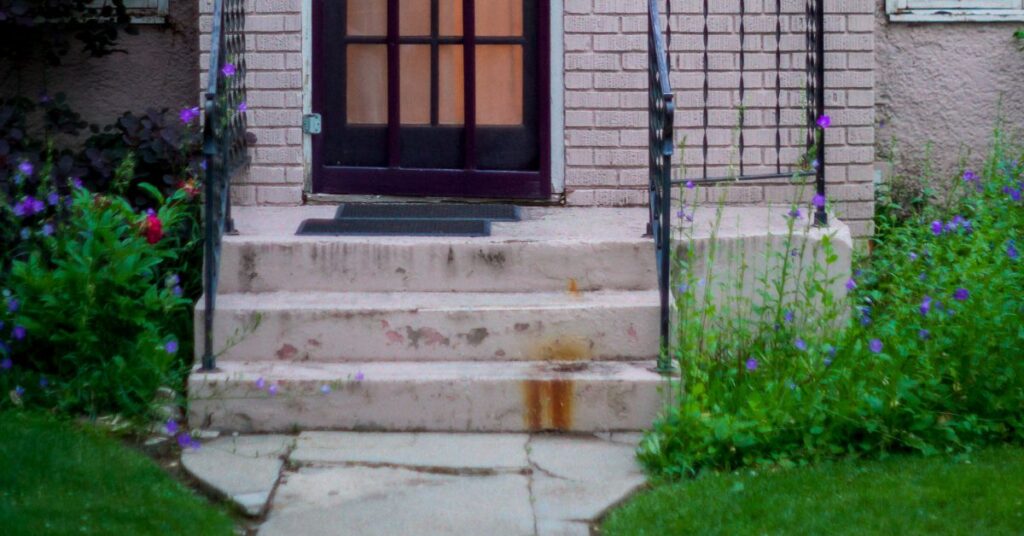
When someone is injured at a store, restaurant, hotel, or other business, it may seem natural to wonder whether the property owner is responsible. When the same type of injury happens at a friend or family member’s home, the situation can feel much more complicated in terms of a personal injury claim.
You may be reluctant to consider a personal injury claim against someone you know. You may also assume that because the accident happened at a private residence, you are responsible for your own medical expenses.
Neither assumption is necessarily correct.
California property owners have certain responsibilities to people who enter their property. If a dangerous condition at someone else’s home causes an injury, the homeowner or another responsible party may potentially be liable. In many cases, compensation may also be available through an insurance policy rather than directly from the homeowner.
Understanding how California premises liability law applies to private residences can help you determine your options after an injury.
When Can a Homeowner Be Responsible for an Injury?
Simply being injured at someone’s house does not automatically make the homeowner responsible in a personal injury claim.
Generally, liability depends on whether a dangerous condition existed and whether the property owner failed to exercise reasonable care under the circumstances.
Examples of potentially dangerous residential conditions may include:
- Broken stairs
- Loose or missing railings
- Slippery floors
- Poor lighting
- Uneven walkways
- Dangerous swimming pool conditions
- Unsecured objects
- Other hazards that create an unreasonable risk of injury
The circumstances surrounding the accident matter.
A homeowner who knew about a broken stair and failed to repair it or warn guests, for example, may face a very different situation from a homeowner who had no reasonable opportunity to discover a newly developed hazard.
What Is Premises Liability in Terms of a Personal Injury Claim?
Premises liability is the area of personal injury law dealing with injuries caused by unsafe property conditions.
California property owners generally have a duty to exercise reasonable care in maintaining their property.
That does not mean homeowners must guarantee that no one will ever be injured. Accidents can happen even when a property has been maintained appropriately.
Instead, premises liability cases often examine whether the property owner knew or reasonably should have known about a dangerous condition and whether reasonable steps were taken to address it.
Those steps might include repairing the hazard, restricting access to the dangerous area, or providing an adequate warning.
Slip-and-Fall Accidents in Someone’s Home: Is It a Personal Injury Claim?
Falls are among the most common injuries that occur on residential property.
A guest might slip on a wet floor, trip over damaged flooring, fall down poorly maintained stairs, or stumble on an uneven walkway.
Determining whether the homeowner is responsible requires more than establishing that a fall occurred.
For example, imagine a homeowner knows that one of the steps leading to the front door is loose but has not repaired it or warned visitors. If a guest steps on it and falls, that prior knowledge could become important.
By contrast, if a guest spills a drink and immediately slips before the homeowner has any opportunity to discover or clean the spill, establishing negligence may be more difficult.
What About Dangerous Stairs and Railings in Personal Injury Claims?
Staircase accidents can cause particularly serious injuries that lead to a personal injury claim.
Broken steps, missing handrails, loose carpeting, poor lighting, and other defects may increase the risk of falling.
Older homes may also contain features that have deteriorated over time.
When investigating a staircase accident, questions may include how long the condition existed, whether the homeowner knew about previous problems, and whether repairs had been attempted.
Photographs of the condition shortly after the accident can become particularly valuable because repairs may be made quickly afterward.
Swimming Pool Accidents Can Raise Additional Concerns
California’s climate means many residential properties have swimming pools, creating another potential source of serious injuries.
Pool accidents can involve slips and falls, diving injuries, defective equipment, inadequate barriers, or drowning incidents.
Cases involving children can be particularly serious.
Property owners with swimming pools may have responsibilities related to barriers, gates, maintenance, and other safety measures.
Because pool accidents can result in catastrophic injuries, determining whether appropriate safety precautions were in place can become an important part of a premises liability investigation.
What If You Were Injured at a Friend or Relative’s House?
This is often the most uncomfortable part of residential personal injury claims.
Someone may have significant medical expenses after falling at a friend’s home but hesitate to pursue compensation because they do not want to sue someone they care about.
In many cases, homeowners insurance may provide coverage for injuries occurring on residential property.
Depending on the policy and circumstances, an insurance claim may help cover damages without requiring the homeowner to personally pay the full amount out of pocket.
Of course, insurance policies and coverage limitations vary. Reviewing the specific policy is important before assuming coverage is or is not available.
Homeowners Insurance May Play an Important Role
Many homeowners insurance policies contain liability coverage designed to protect homeowners when someone is injured on their property.
This coverage may potentially help pay for medical expenses and other damages when the homeowner is legally responsible.
Some policies may also contain limited medical payments coverage that can apply in certain situations.
Insurance companies still investigate these claims and may dispute whether the homeowner was negligent or whether the policy provides coverage.
Having insurance involved does not necessarily make the claims process simple.
What If You Were Partially Responsible?
California follows a pure comparative negligence system, meaning responsibility can potentially be divided between multiple parties.
Suppose a homeowner failed to repair a dangerous walkway, but the injured guest was distracted and not watching where they were walking.
An insurer might argue that both parties contributed to the accident.
Being partially responsible does not necessarily eliminate the ability to recover compensation in California. Instead, compensation may be reduced according to the percentage of fault assigned to the injured person.
Evidence Can Make a Significant Difference
Residential property conditions can change quickly after an accident.
A broken step may be repaired. A spill may be cleaned. A loose rug may be removed.
Photographs or video taken soon after the injury can help preserve evidence of what the property looked like when the accident occurred.
Other useful evidence may include witness statements, medical records, communications with the homeowner, previous complaints about the condition, and records showing earlier repairs.
Prompt medical attention is also important. Medical documentation helps establish the injuries sustained and connects treatment to the accident.
What Compensation May Be Available?
The compensation available in a California premises liability claim depends on the circumstances and severity of the injuries.
Potential damages may include medical expenses, future treatment costs, lost income, diminished earning capacity, pain and suffering, and other losses associated with the injury.
Serious falls and other residential accidents can result in broken bones, spinal injuries, head injuries, and long-term mobility problems. The fact that an accident occurred at someone’s home rather than a commercial property does not make those losses any less significant.
Speak With a California Personal Injury Attorney
Being injured at someone else’s home can create difficult questions, particularly when the property belongs to a friend or family member. However, you should not assume that you have no options or that pursuing compensation necessarily means personally targeting someone you care about.
At Vititoe Law Group, we help injured Californians understand their rights after accidents involving dangerous property conditions. Our team can investigate how the injury occurred, evaluate potential insurance coverage, and determine whether a property owner or another party may be responsible.
If you or a loved one has been injured at someone else’s home in California, contact Vititoe Law Group today to schedule a consultation and learn more about your legal options.