
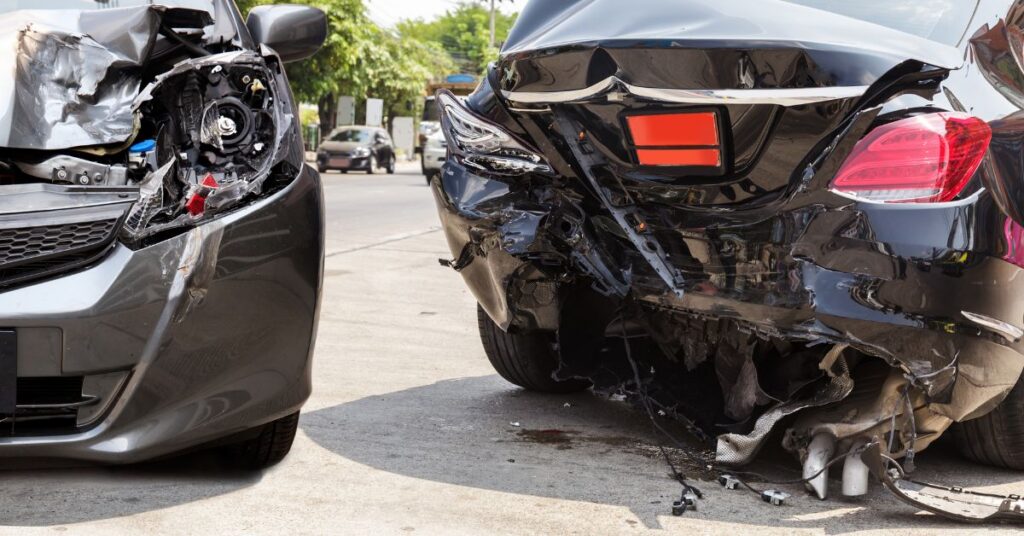
After a car accident, what you do in the moments, hours, and days that follow can have a lasting impact on your health, your finances, and your ability to recover compensation. Most people understand the basics, like calling the police or exchanging information, but far fewer realize how certain missteps can seriously harm their legal claim.
Even small decisions made under stress can be used by insurance companies to reduce or deny compensation. Knowing what not to do is just as important as knowing the right steps to take. After a car accident, the more prepared you are, the easier it will be to get the compensation you deserve.
Admitting Fault at the Scene
One of the most common and damaging mistakes people make after a car accident is apologizing or admitting fault immediately after an accident.
It is natural to want to be polite or express concern, especially if someone else is injured. However, statements like “I’m sorry” or “I didn’t see you” can later be interpreted as admissions of liability, even if you were not actually at fault.
At the scene, stick to exchanging information and cooperating with law enforcement. Avoid speculating about what happened or assigning blame. The full picture of the accident may not be clear until all evidence is reviewed.
Failing to Seek Medical Attention Right Away
Another critical mistake is delaying medical treatment.
Some injuries, particularly soft tissue injuries or internal trauma, may not show symptoms immediately. Adrenaline can mask pain in the hours following an accident, leading people to believe they are uninjured.
When you delay treatment, insurance companies often argue that your injuries are not serious or were caused by something other than the accident. Seeking prompt medical attention creates a clear record linking your injuries to the crash.
Even if you feel fine, it is always safer to get evaluated by a medical professional.
Not Calling the Police
In minor accidents, some drivers agree to handle the situation privately without involving law enforcement. While this may seem convenient, it can create significant problems later.
A police report provides an official record of the accident, including key details about the scene, statements from those involved, and the responding officer’s observations. Without this documentation, it can become much harder to prove what happened.
If the other driver later changes their story or disputes fault, you may have limited evidence to support your claim. Given how many people get hurt and have to figure out what to do after a car accident in California, it’s wise to have a plan in place.
Speaking to Insurance Adjusters Too Soon
After an accident, you may receive a call from the other driver’s insurance company within days or even hours.
Insurance adjusters often sound friendly and helpful, but their primary goal is to minimize the amount the company pays out. They may ask for a recorded statement or try to get you to describe your injuries before you fully understand them.
Anything you say can be used against you. If you downplay your injuries or provide inconsistent details, it can weaken your claim.
It is generally best to avoid giving recorded statements or discussing the details of the accident with an insurance company until you have spoken with an attorney.
Accepting a Quick Settlement After a Car Accident
In some cases, insurance companies offer a fast settlement shortly after the accident.
While it may be tempting to accept money quickly, especially if you are facing medical bills or missed work, early settlement offers are often far lower than what your case is truly worth.
These offers are typically made before the full extent of your injuries is known. Once you accept a settlement, you usually waive your right to pursue additional compensation, even if your condition worsens.
Taking time to understand your injuries and the long-term impact of the accident is essential before agreeing to any settlement.
Failing to Document the Scene
Evidence collected at the scene can be incredibly valuable, yet many people fail to document important details.
Photos of vehicle damage, road conditions, traffic signals, and visible injuries can help establish how the accident occurred. Without this documentation, it may become your word against the other driver’s.
If you are physically able, taking a few minutes to gather this information can make a significant difference in your case.
Posting on Social Media
In today’s digital world, social media activity can be used as evidence in a personal injury claim.
Insurance companies and defense attorneys may review your posts, photos, and comments to look for anything that contradicts your claim. For example, posting photos of physical activity or travel could be used to argue that your injuries are not as severe as you claim.
Even seemingly harmless updates can be taken out of context. It is generally best to limit or avoid social media activity while your case is ongoing.
Delaying Legal Guidance
Some people wait too long to speak with an attorney, believing they can handle the process on their own.
While not every accident requires legal action, commercial insurers and even standard auto insurance companies are often well-equipped to protect their own interests. Without legal guidance, you may miss important deadlines, fail to preserve evidence, or accept less compensation than you deserve.
An attorney can step in early to protect your rights, handle communication with insurers, and ensure that your case is properly documented from the beginning.
Why These Mistakes Matter
Each of these missteps can weaken your case in different ways. Some create gaps in evidence, while others give insurance companies an opportunity to challenge your credibility or minimize your injuries.
In personal injury claims, the strength of your case often comes down to documentation, consistency, and timing. Avoiding common mistakes helps preserve all three.
Protecting Your Rights After an Accident
Being involved in a car accident is stressful and often overwhelming. It is not always easy to think clearly in the moment, which is why understanding these pitfalls ahead of time can be so valuable.
Taking a cautious, informed approach can help protect both your health and your legal claim.
Speak With a Personal Injury Attorney
If you have been injured in a car accident, you do not have to navigate the process alone.
An experienced personal injury attorney can help you avoid costly mistakes, preserve critical evidence, and pursue the compensation you deserve. From dealing with insurance companies to evaluating the true value of your claim, having the right legal support can make a meaningful difference.
Contact BB Law Group today to schedule a consultation and learn more about your options.