
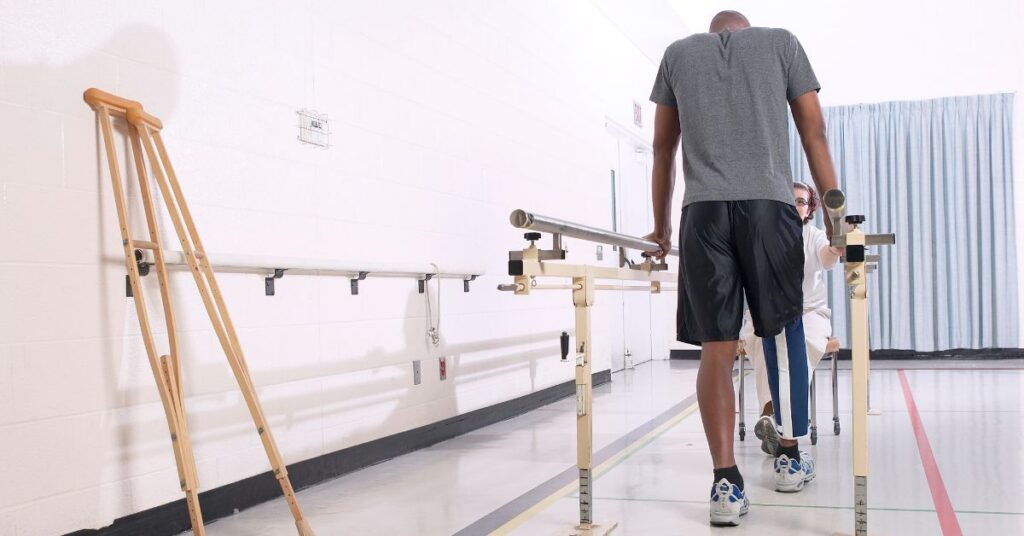
After a serious accident, recovery doesn’t always end when you leave the hospital. For many injury victims, healing is a long-term process that requires ongoing medical care, therapy, and support. If you have long-term rehabilitation in your future, know your rights.
If your injuries require extended rehabilitation, it can have a significant impact on your personal injury settlement. In fact, long-term care needs are often one of the most important factors in determining the value of a case.
Understanding how rehabilitation is evaluated in a personal injury claim can help ensure you don’t settle for less than you truly need.
What Is Long-Term Rehabilitation?
Long-term rehabilitation refers to ongoing treatment and care required after the initial phase of an injury. While some injuries heal relatively quickly, others require months, years, or even lifelong management.
Rehabilitation is designed to help individuals:
-
Regain physical function
-
Manage pain
-
Adapt to long-term limitations
-
Improve quality of life
Depending on the nature of the injury, rehabilitation may include:
-
Physical therapy to rebuild strength and mobility
-
Occupational therapy to assist with daily activities
-
Pain management, including injections or medications
-
Chiropractic or specialized musculoskeletal care
-
Psychological counseling for trauma, anxiety, or depression
-
In-home care or assistance for daily tasks
In more serious cases, such as spinal cord injuries or traumatic brain injuries, rehabilitation may become a permanent part of life.
Why Long-Term Rehabilitation Matters in a Settlement
When calculating a personal injury settlement, it’s not enough to look at past medical bills alone. A fair settlement must also account for future medical needs, especially when rehabilitation is ongoing.
Long-term rehabilitation can significantly increase the value of a claim because it reflects the continuing impact of the injury.
A settlement should take into account:
-
The expected duration of treatment
-
Frequency of therapy sessions
-
Cost of specialists and providers
-
Equipment such as braces, mobility aids, or adaptive devices
-
Transportation costs for ongoing care
-
Adjustments needed for your home or daily routine
Failing to include these costs can result in a settlement that falls far short of what you will actually need over time.
How Future Rehabilitation Costs Are Calculated
Unlike past medical expenses, which are documented through bills and records, future rehabilitation costs must be projected.
This process is often complex and may involve multiple experts.
Key factors used in calculating future rehabilitation costs include:
-
Medical records and physician evaluations
-
Treatment plans and long-term prognosis
-
The likelihood of recovery or permanent impairment
-
Your age, health, and lifestyle
-
The cost of care in your geographic area
In many cases, attorneys work with professionals such as:
-
Life care planners, who outline long-term medical needs
-
Vocational experts, who assess work limitations
-
Economists, who project the total lifetime cost of care
These projections are critical in ensuring that your settlement reflects not just your current condition, but your future reality.
Why You Should Be Cautious About Settling Too Early with Long Term Rehabilitation Needed
One of the most common mistakes injury victims make is accepting a settlement before they fully understand their long-term rehabilitation needs.
Insurance companies often move quickly to offer a settlement, sometimes before the full extent of an injury is known.
However, once you accept a settlement:
-
You typically waive your right to pursue additional compensation
-
Future medical costs are no longer recoverable
-
You may be responsible for ongoing care out of pocket
For this reason, it is often important to wait until:
-
Your condition has stabilized, or
-
Your doctors can reasonably estimate your future care needs
Settling too early can have long-term financial consequences, especially if your rehabilitation needs increase over time.
The Connection Between Rehabilitation and Overall Case Value
Long-term rehabilitation doesn’t just affect medical expenses. It can influence multiple components of your personal injury claim.
For example:
1. Pain and Suffering
Ongoing therapy and chronic pain can increase compensation for non-economic damages, such as physical discomfort and emotional distress.
2. Loss of Earning Capacity
If your injury limits your ability to work, long-term rehabilitation may support claims related to reduced earning potential or career changes.
3. Lifestyle Impact
Rehabilitation needs can demonstrate how your injury affects your daily life, including your ability to perform routine tasks or participate in activities you once enjoyed.
In this way, rehabilitation is often a key factor in demonstrating the true severity and long-term impact of an injury.
How Insurance Companies Evaluate Rehabilitation Claims
Insurance companies carefully scrutinize claims involving long-term rehabilitation because of the higher costs involved.
They may attempt to:
-
Argue that certain treatments are unnecessary
-
Claim that you should recover more quickly than projected
-
Suggest lower-cost alternatives for care
-
Dispute the frequency or duration of therapy
In some cases, they may rely on their own medical experts to challenge your treatment plan.
Without strong documentation and expert support, these tactics can reduce the value of your claim.
What Evidence Strengthens a Rehabilitation Claim?
To support a claim involving long-term rehabilitation, detailed and consistent documentation is essential.
Helpful evidence may include:
-
Medical records and treatment history
-
Physician recommendations for ongoing care
-
Therapy progress notes
-
Expert evaluations and reports
-
Receipts and invoices for treatment and equipment
Keeping thorough records not only strengthens your claim but also helps demonstrate the ongoing nature of your recovery.
The Long-Term Financial Impact of Rehabilitation
For many individuals, the cost of rehabilitation extends far beyond immediate treatment.
Over time, expenses can add up significantly, especially if care is ongoing.
These costs may include:
-
Regular therapy sessions over months or years
-
Prescription medications
-
Follow-up procedures or surgeries
-
Assistive devices or home modifications
-
Transportation to and from medical appointments
A properly calculated settlement should account for these long-term expenses so that you are not left with financial burdens later.
Speak With a California Personal Injury Attorney
If your injury requires long-term rehabilitation, it’s important to ensure that your settlement reflects the full scope of your recovery, not just your immediate medical bills.
An experienced personal injury attorney can:
-
Evaluate your current and future medical needs
-
Work with experts to project long-term care costs
-
Gather and preserve critical evidence
-
Negotiate with insurance companies on your behalf
-
Advocate for full and fair compensation
At Vititoe Law Group, we understand how complex these cases can be and how important it is to protect your future.
Contact us today to discuss your case and learn how we can help.